Abita Springs Septic vs Sewer: What to Check First
September 17, 2026
September 17, 2026
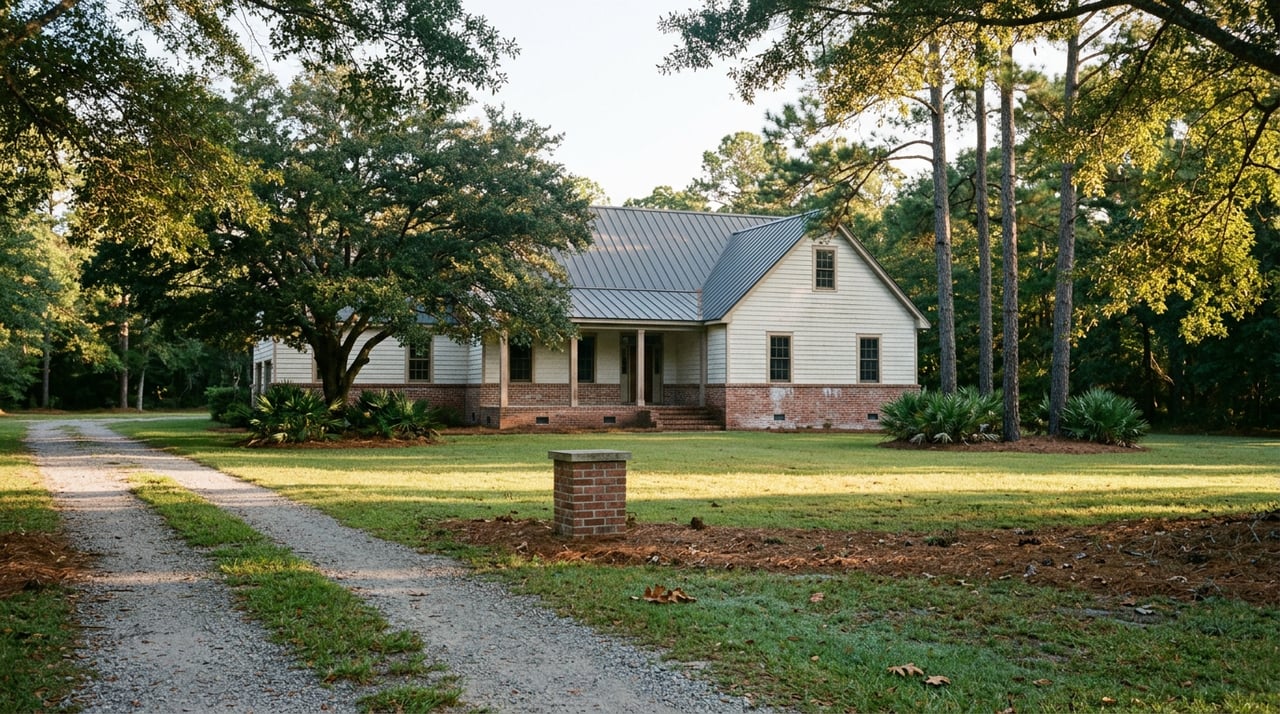
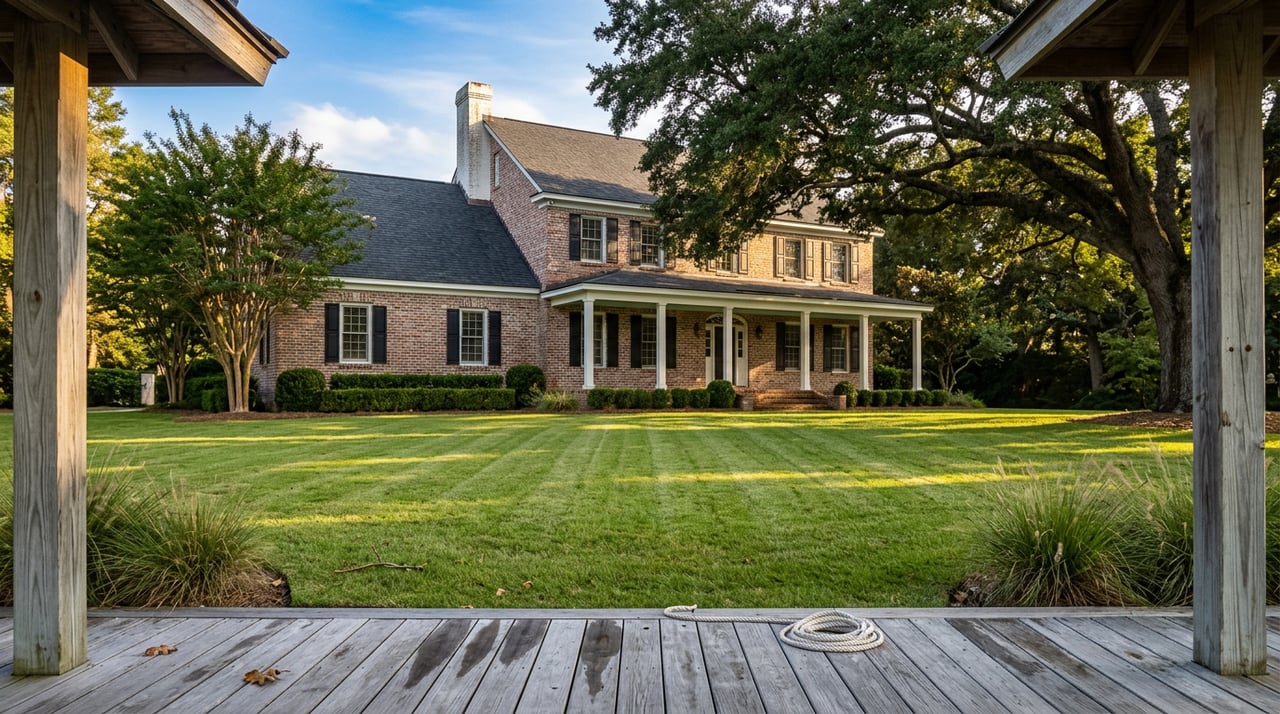
Two houses, both listed as Abita Springs. Same school zone on the flyer, same "70420" in the address bar, roughly four miles apart. One sits on a quarter-acre lot two blocks off the Abita Trailhead, water bill mailed by the Town, gas line running to the stove, a manhole cover in the street out front. The other sits on three and a half acres off a gravel lane, no curb, no manhole, a green riser cap in the side yard that the seller's disclosure calls a "septic clean-out."
Nothing on either listing sheet tells you which house belongs to which system. The median price on the portal doesn't know either. But the difference between those two properties is not cosmetic. It's the difference between a flat monthly utility bill set by a town board and a private wastewater plant in your yard that you are legally required to maintain for as long as you own the house.
"Abita Springs" means two different things at once, and almost nobody selling or buying a house here separates them out loud.
There's the Town of Abita Springs: an incorporated municipality with its own Board of Aldermen, its own Public Works Department, and a census population of roughly 2,631. Inside those town limits, the Town runs the water, gas, and sewer systems directly. Rates are set by the Board of Aldermen, new sewer hookups pay a capacity fee to the Town before they can connect, and a utility crew flushes the hydrants on a maintenance schedule you'll never think about again once you're on the system.
Then there's everything people mean when they say "Abita Springs" in casual conversation: the zip code, the school attendance zone, the MLS area, the general wooded stretch between Covington and Talisheek that shows up under that name on every listing site. Most of that footprint is unincorporated St. Tammany Parish. No town water. No town sewer. A well in the ground and a septic system that the Parish Health Unit permits, not the Town.
A buyer touring both houses in one afternoon can reasonably assume they're comparing two versions of the same market. They're actually comparing two different regulatory systems, two different cost structures, and two very different sets of things that can go wrong at closing.
Look at almost any batch of current Abita Springs listings and a pattern jumps out fast: quarter-acre in-town cottages sit next to half-acre "Hillcrest" lots, three-acre wooded parcels with a private pond, and the occasional multi-acre estate stretching back to Abita Creek. That spread in lot size isn't just about privacy preferences. In a lot of cases, it's dictated by what the septic code will allow.
St. Tammany Parish's ordinance governing individual sewage systems defines a "building site" eligible for an approved septic system as any lot of 22,500 square feet or greater, a little over half an acre. That's the floor. Below it, in the unincorporated parish, you're generally not getting a conventional septic permit at all.
The rules tighten further once you're talking about a subdivision rather than a single house. A development of fewer than 15 lots can skip a community sewer system only if the average lot runs two acres or larger with at least 125 feet of frontage, and only if the developer files a drainage plan and covenants for its perpetual maintenance. Once the average lot size in that subdivision climbs past five acres, the Parish's Department of Environmental Services can waive the community sewer requirement altogether, on the logic that requiring it would be an unreasonable financial burden for that little density.
In other words, the acreage you're paying for outside town limits isn't purely lifestyle. Some of it is the land doing the job that a sewer main does inside the Town line: giving the wastewater somewhere legal to go.
Here's where the friction actually shows up in a transaction. Not every half-acre-plus lot has soil that will support a conventional septic tank and gravity-fed drain field. Louisiana requires a percolation test, essentially a check on how well the soil absorbs treated effluent, before a conventional system gets approved. Fail that test and the only legal alternative is a mechanical system: an aerobic treatment unit, or ATU.
The cost gap between the two is the number a lot of buyers never see until the inspection period.
| Conventional septic | Aerobic treatment unit (ATU) | |
|---|---|---|
| Typical install cost | roughly $3,500–$8,000 | roughly $10,000–$20,000 |
| Electricity required | No | Yes, air pump runs continuously |
| Annual maintenance | roughly $100–$300 | roughly $200–$600, often with a mandatory service contract |
| Inspection frequency | Occasional pumping | Regular professional visits required by state rule |
An ATU isn't a downgrade. It's a genuinely capable piece of equipment that treats wastewater to a higher standard than a conventional tank, which is exactly why the state allows it as the fallback for lots where a conventional system won't perc. But it comes with a mechanical component, an electric bill line item, and a maintenance obligation that Louisiana law treats as permanent. The state's onsite wastewater program is explicit that homeowners are required to maintain these systems in perpetuity, for as long as they occupy the dwelling, not for some initial warranty window.
That's a real ongoing cost that a buyer comparing two "Abita Springs" listings by price per square foot will never see reflected in the number. A house on a well-percolating half-acre and a house on a poorly-draining three acres can list at the same price and carry completely different twenty-year utility costs.
None of this requires a lawyer to sort out before you make an offer. It requires asking a short, specific set of questions before the option period runs out:
None of this shows up as a red flag on a listing photo. It shows up in a phone call to the Parish Health Unit or the Town's Public Works office, both of which will answer the question if you ask it directly.
Can a septic property in Abita Springs ever be connected to Town sewer later? Only if the property is annexed into the Town limits and the Town extends its system to reach it, which is a municipal decision, not something a homeowner can request unilaterally. Absent annexation, a septic property stays a septic property.
Does homeowners insurance cover a failed ATU? Generally not for wear, aging, or missed maintenance. Coverage typically kicks in only if a covered peril, like a fallen tree, physically damages the unit. That's one more reason the maintenance contract matters more than it looks like it does on paper.
Is a septic system a dealbreaker for financing? No. Conventional lenders finance septic-served homes routinely across St. Tammany Parish. What underwriters and inspectors do care about is documentation: a valid permit, a recent inspection, and, for ATUs, an active maintenance contract in the current owner's name.
If you're comparing a cottage two blocks from the Abita Trailhead against three wooded acres out past the town line, the conversation about school zones and porches is the easy part. The conversation about what's actually running under the yard is the one worth having with someone who's walked both kinds of lots before. That's the conversation Felicity Kahn & Associates has with buyers on both sides of the Abita Springs line every week. If you already own a home or a lot out there and want to know what its system means for its value today, start with a free home valuation and we'll walk the rest of it with you.
Stay up to date on the latest real estate trends.


Collaborate with a team that values professionalism, growth, and a refined approach to real estate success.