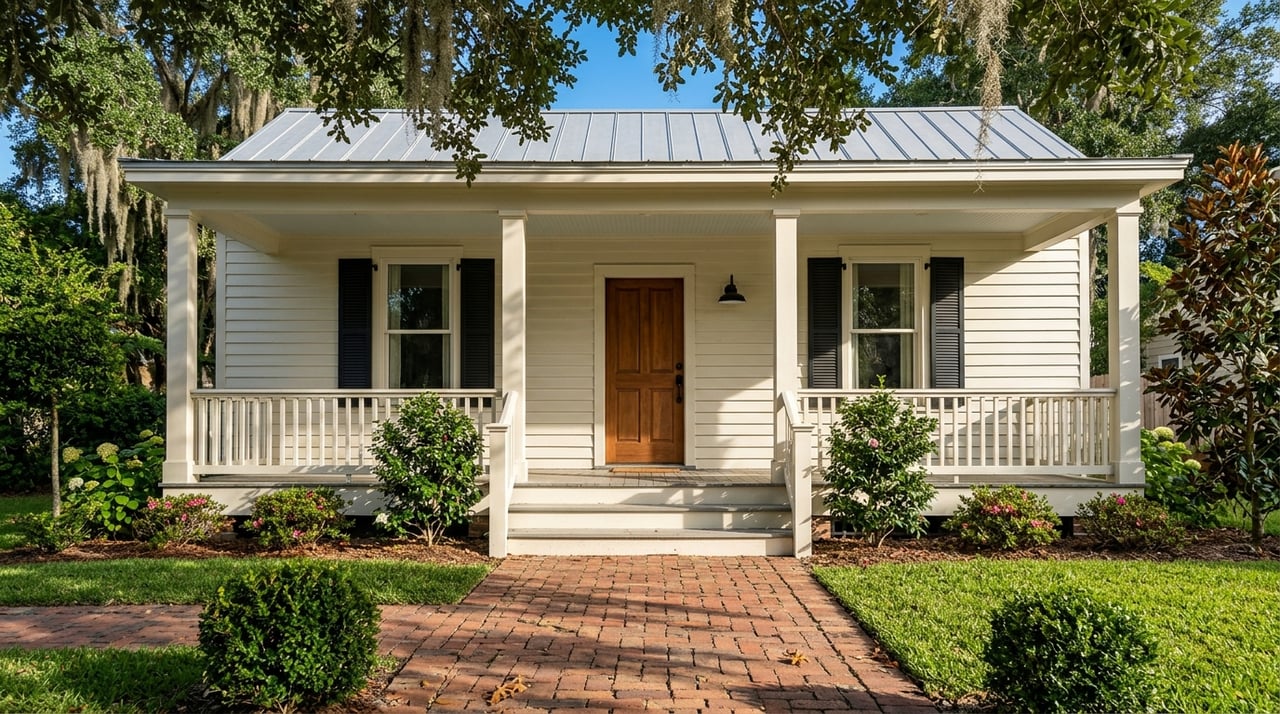
Covington LA Real Estate Market and Home Styles
May 21, 2026
May 21, 2026
When you look at homes in Covington, it is easy to assume you are shopping one market. In reality, 70433 works more like a collection of smaller markets, each with its own housing styles, pricing patterns, and approval rules. If you want to buy smart or price a home accurately, it helps to understand how those pockets differ. Let’s dive in.
Covington’s planning framework points to a city shaped by historic districts, subdivision review, mixed-use overlay areas, and nearby parish-regulated development patterns. That means homes that sit only a short drive apart may not compete in the same way.
For you as a buyer or seller, that matters because price is not just about square footage and bedroom count. In Covington, a home’s location within a specific pocket can affect buyer demand, renovation options, exterior review, and how closely a property matches nearby sales.
The city identifies the Division of St. John Historic District as Covington’s historic core. State preservation materials describe it as 19 full blocks and 11 partial blocks within the original town site, with many blocks still retaining central ox lots.
That older town pattern helps explain why historic in-town homes can be harder to compare. Lot shapes, placement on the lot, age, and architectural details may vary more than what you would see in a newer subdivision.
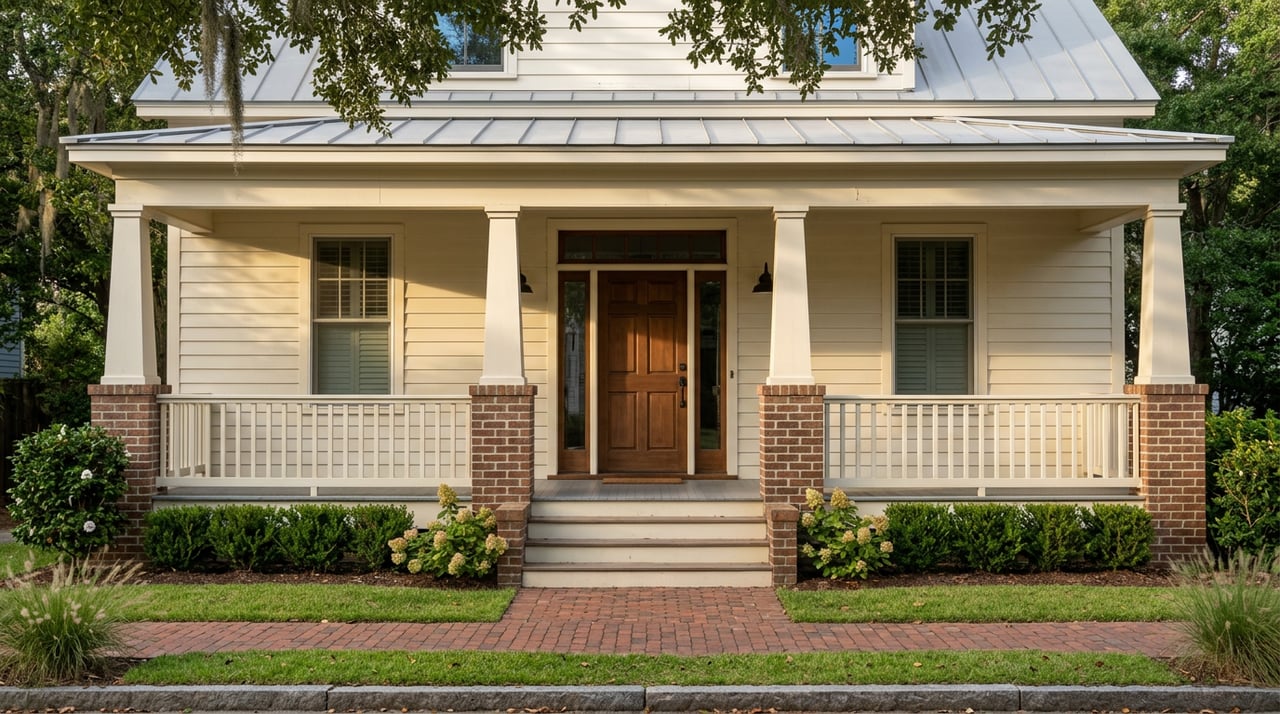
If you picture the historic core as one simple “old home” category, the record says otherwise. State review minutes cite contributing resources from 1813 to about 1970 and list a broad mix of styles.
You may see:
That architectural range is part of the appeal. It also means pricing often depends on more than age alone.
Within Covington’s local historic district, exterior construction, alterations, demolition, or relocation require a Certificate of Appropriateness. The city’s guidelines are designed to preserve historic character and make sure new work remains compatible with the surrounding environment.
For you, that means exterior updates may involve a different process than they would in a standard subdivision. At the same time, the city’s guidelines say they do not regulate interior changes or paint color, which is an important distinction for owners planning improvements.
Historic in-town properties often compete on scarcity, setting, and architectural character. They can attract buyers who value original lot patterns, walkable in-town context, and distinct exterior style.
Because these homes are less uniform, pricing often needs a more careful read of the immediate block, the condition of the home, and any exterior-review considerations. You usually cannot treat them like interchangeable inventory.
Downtown Covington also includes the Historic Downtown Covington Mixed-Use Overlay District. City code says this area is meant to reflect historic character and pedestrian orientation while allowing a blend of residential, small-scale commercial, service, and office uses.
The same code notes that this district developed with smaller lots and greater density than newer parts of the city. That sets it apart from more conventional single-family neighborhoods.
If you are comparing a downtown-area property to a suburban-style home, the value drivers may not line up neatly. Parcel size, nearby uses, density, and the rhythm of the streetscape can shape demand in ways that are different from a standard subdivision setting.
For sellers, this means your best buyer may be looking for location pattern and use context as much as square footage. For buyers, it means the lifestyle and property function may matter just as much as the home’s finish level.
Covington’s housing stock has long been single-family oriented. A city capacity-charge study reported a projected housing mix of 82.4% single units and 17.6% units in structures with two or more units.
That helps explain why many newer-market comparisons in Covington still center on detached homes. In these neighborhoods, comps are often more standardized than they are in historic in-town areas.
In newer subdivisions, homes typically trade more on practical factors than on architectural uniqueness. The strongest factors often include:
Because homes are often more similar in age and layout, buyers may compare them side by side with a sharper focus on maintenance, upgrades, and daily function.
Covington’s building-permit page confirms that Louisiana’s 2021 state construction codes and the 2021 International Energy Conservation Code are used locally. That does not mean every home was built under the same standards, but it does matter when you compare older homes, renovated homes, and newer construction.
If you are selling an older property, buyers may weigh it against newer-build competition differently than they would in the historic core. If you are buying, knowing the home’s construction era can help you frame expected maintenance, efficiency, and update priorities.
Some nearby Covington-area housing patterns are shaped by St. Tammany Parish rules rather than city-only conditions. The parish Unified Development Code defines a Planned Unit Development, or PUD, as a zoning designation that allows limited deviations from standard rules to support flexible, higher-quality, and often mixed-use development.
The parish code says PUDs are generally limited to sites of at least 30 acres and move through parish approval procedures. That creates another layer in the local market, especially in areas that feel more master-planned or corridor-driven.
A planned community is not always the same as a standard subdivision. In a PUD-style environment, value may reflect the broader design of the development, access patterns, amenity structure, and the way uses are arranged across a larger site.
For you, that means two homes with similar size and finishes may still compete differently if one sits in a conventional subdivision and another sits in a planned development setting. The wider development framework can shape both buyer expectations and pricing.
St. Tammany Parish’s Future Land Use Map highlights growth-management areas, planned roadway projects, neighborhood hubs, and floodplain overlays. It also discourages intensification in the 100-year floodplain.
This is one reason two nearby homes can behave differently on the market. Even if they look similar in photos, differences in flood exposure, infrastructure timing, access routes, and surrounding land-use pattern can affect cost and demand.
In Covington, one home may sit in a historic district with exterior-review rules. Another may be in a newer subdivision where buyers focus on updates and amenities. A third may be in a parish-regulated planned development where the community framework carries its own appeal.
That is why price should be read through the lens of the property’s micro-market. Looking only at basic stats can miss the factors that actually shape competition.
If you are shopping in Covington, start by asking what kind of pocket you are entering. The right home for you may depend on whether you want architectural character, a more standardized neighborhood setting, or a planned community feel.
As you compare homes, pay close attention to:
A home can be a strong fit, but only if you understand the rules and tradeoffs that come with its setting.
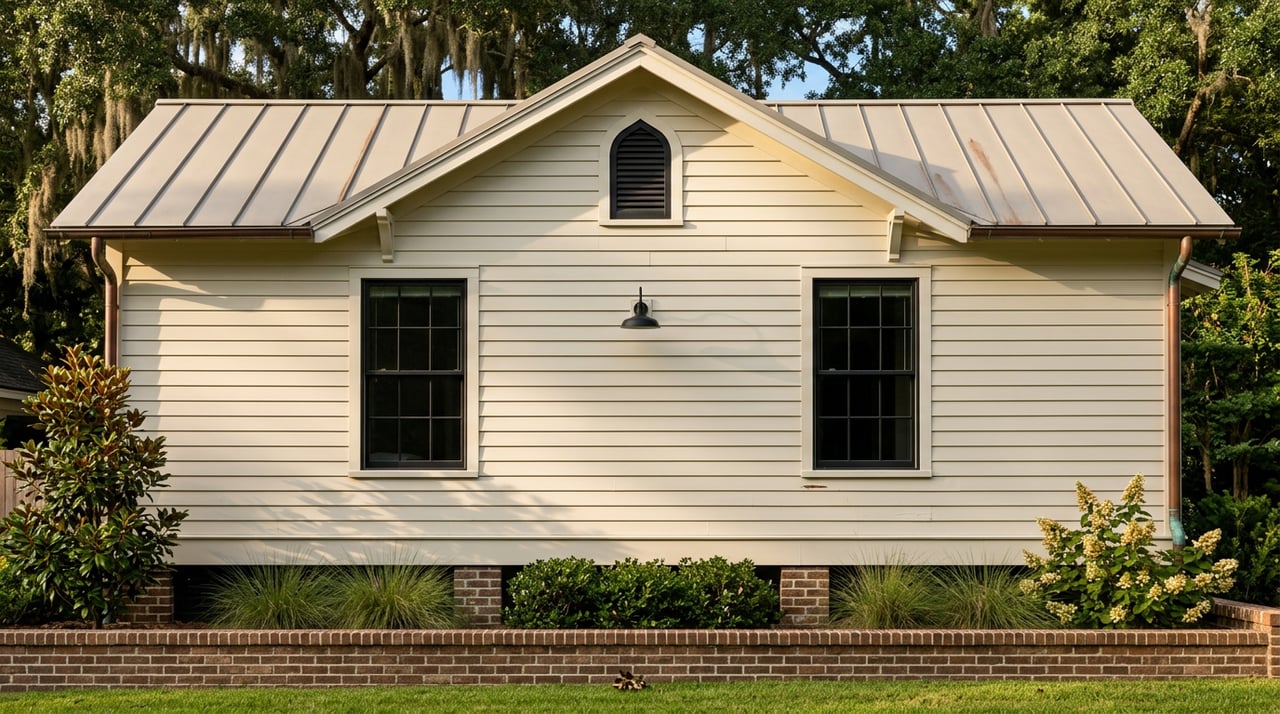
If you are selling in Covington, avoid assuming the whole city is one comp set. A downtown mixed-use property, a bungalow in the historic core, and a home in a newer subdivision may each need a different pricing strategy and marketing story.
That is where neighborhood-level knowledge matters. The strongest listing approach usually connects your home to the right pool of buyers, highlights the features that matter in that specific pocket, and supports the price with truly relevant comparisons.
For many sellers, presentation also plays a major role. In a market with varied home styles and micro-markets, staging guidance, professional marketing, and a clear positioning strategy can help your property stand out for the right reasons.
If you are trying to make sense of where your home fits in Covington’s market, working with a team that understands the Northshore at the neighborhood level can make the process much clearer. Felicity Kahn & Associates offers personalized guidance for buyers and sellers across St. Tammany Parish, with local insight, thoughtful strategy, and hands-on support from start to close.
Stay up to date on the latest real estate trends.


Collaborate with a team that values professionalism, growth, and a refined approach to real estate success.