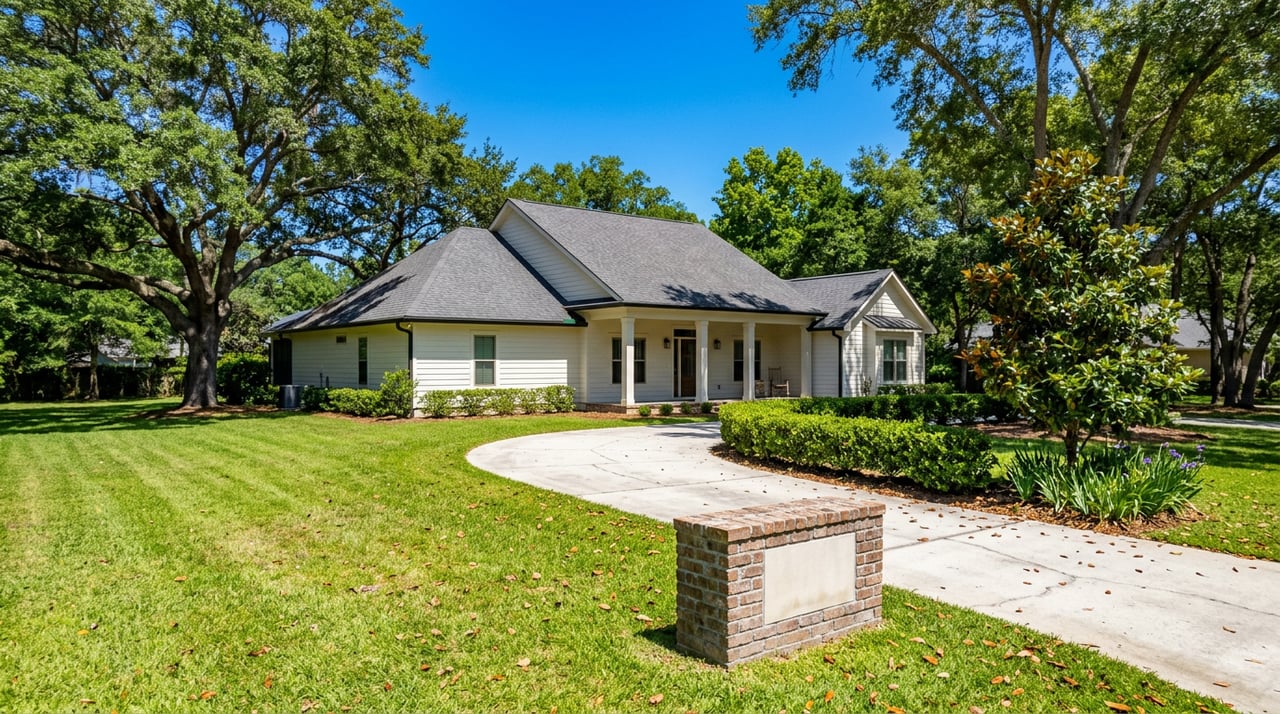
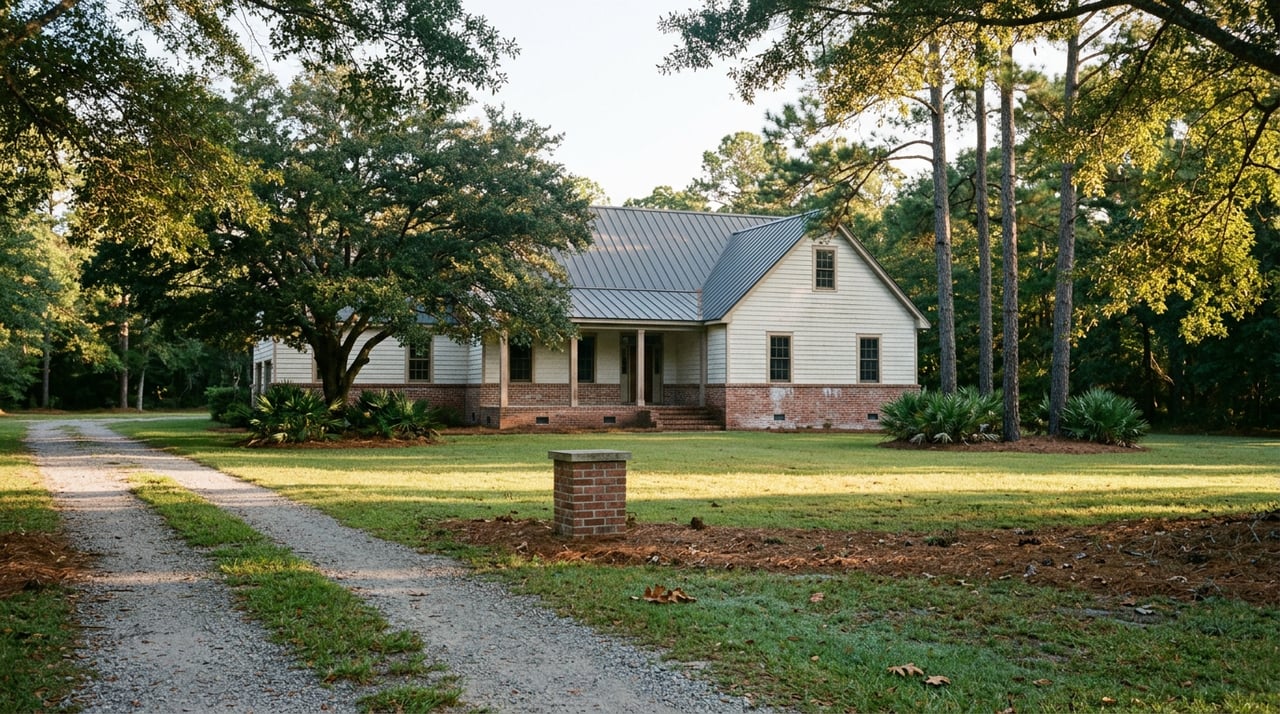
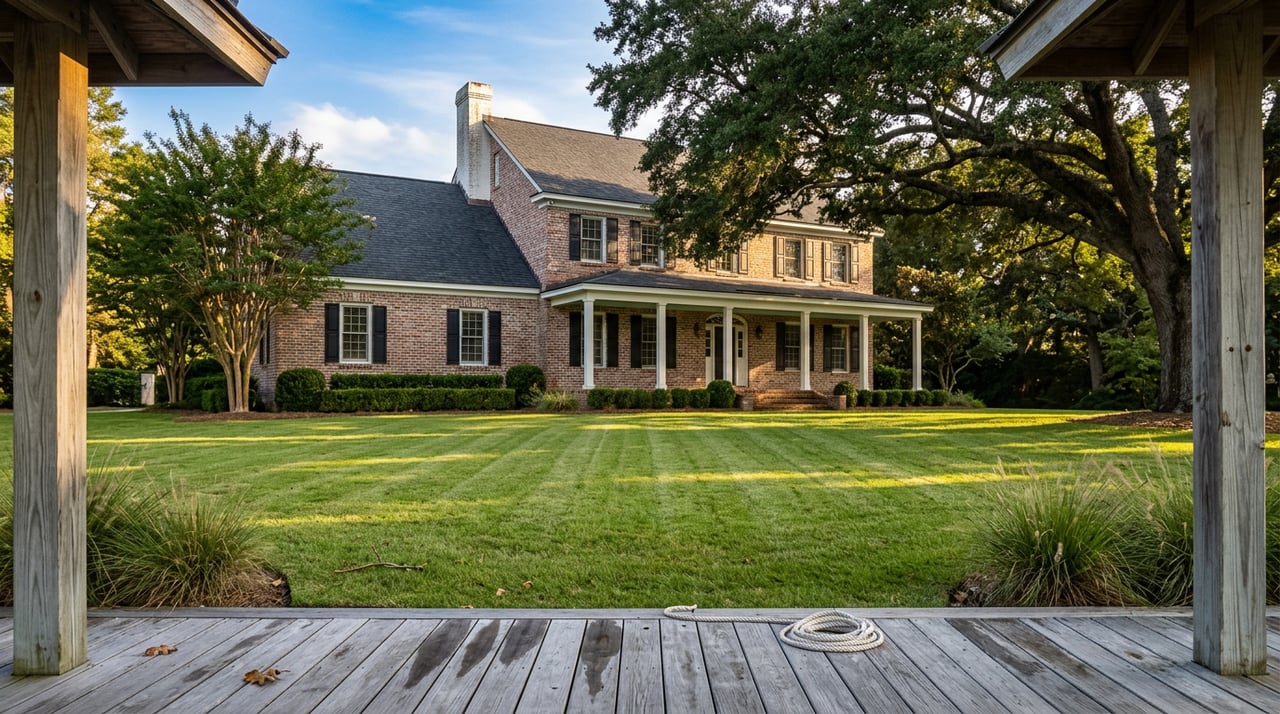
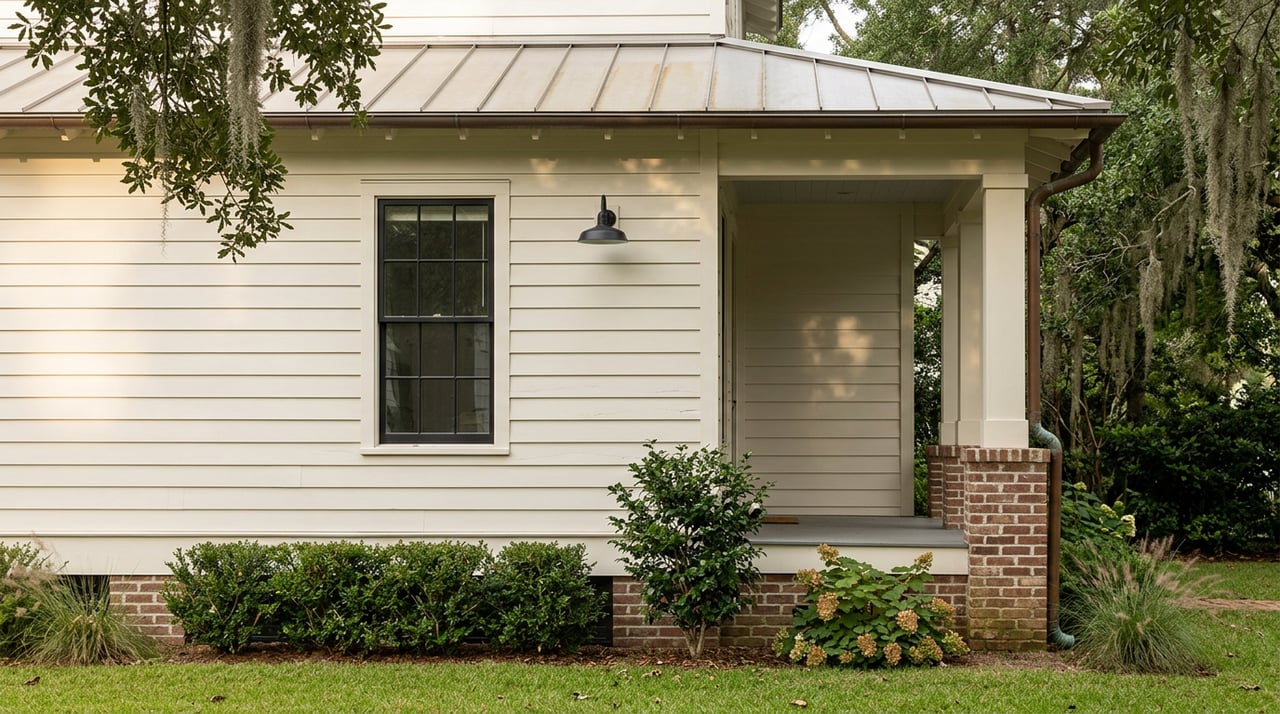
Ready to trade up your space or location without leaving the Northshore? If you are eyeing a larger home, a better lot, or a lifestyle shift in Mandeville, the right neighborhood choice will shape your daily routine and long-term value. You want clarity on price ranges, commutes, amenities, and flood considerations before you start touring. This guide gives you a simple way to compare top Mandeville areas, understand current market context, and plan smart due diligence. Let’s dive in.
Market snapshot for move-up buyers
Mandeville’s typical home value sits around 350,376 as of December 31, 2025, with a small year-over-year rise reported. St. Tammany Parish overall trends lower, around 277,000. Use these figures as a baseline for expectations, then fine-tune by neighborhood. Lakefront, gated, and historic pockets often carry higher price points and tighter inventory.
Recent 12-month medians show many Mandeville sales landing in the mid-to-upper 300s. Median days on market typically range about 50 to 70 days, though popular pockets can move faster and prestige listings can take longer. If you are moving up from an entry-level Northshore home, plan for a step up in price and a narrower pool of listings in the most sought-after areas.
Neighborhood types that fit a move-up
Historic and walkable: Old Mandeville
If you value character and walkability, Old Mandeville offers tree-lined streets, renovated cottages, and a community vibe near the Lakefront. You can stroll to the Mandeville Trailhead and its weekly market, a local anchor for shopping and events. Explore the city’s event details for the Mandeville Trailhead market.
Expect a trade-off. Many homes here have smaller lots and footprints than newer subdivisions. Buyers often pay a premium for proximity to the Lakefront and lifestyle. The Tammany Trace also runs through town, adding daily biking and walking options along the 31-mile Tammany Trace.
Lakefront prestige: Lewisburg and Lakeshore areas
For boating, sunsets, and water views, lake-adjacent blocks in Lewisburg and along Lakeshore deliver prestige and a unique setting. Inventory is limited and price ranges are wide, from move-up to luxury. You are paying for location and, in some cases, direct water access. Many homes in these areas also include elevation features and other flood-aware design details.
Country club living: Beau Chêne
Beau Chêne is a large, gated master-planned community centered on two golf courses, a marina, and country club amenities. It is ideal if you want an active lifestyle with resort-style features. The neighborhood includes a range of home types, from townhomes and condos to custom single-family residences, many built in the 1970s to 1990s and often renovated. Learn about the community at the Beau Chêne HOA overview.
When comparing, consider both HOA dues and any separate club membership fees for full amenity access. Also confirm how utilities are billed and managed since some services can be community specific.
Gated conservation: The Sanctuary
The Sanctuary is an upscale, gated community that emphasizes larger lots, preservation of natural areas, and private amenities such as pool, tennis, and fitness. Many homes are custom built with newer systems and thoughtful site design for privacy. For an overview of the development’s setting and planning, visit The Sanctuary’s neighborhood history.
Expect higher-than-average Mandeville pricing and a quiet, nature-forward feel. Lot size, trails, and protected green space are major draws if you want room to spread out without leaving town.
Established family subdivisions: Greenleaves, Meadowbrook, Hidden Pines
If you are seeking more square footage and value per foot, established subdivisions offer a strong move-up path. You will often find larger yards, multiple bedrooms, and updated interiors at a price that may sit closer to the Mandeville city median. These neighborhoods also place you near shopping, parks, and major roads for easy daily living.
Waterfront and boating clusters: Mariner’s Village and Causeway-adjacent pockets
Smaller waterfront communities near the Causeway approach cater to boaters and buyers who want quick access to the Lakefront and marina dining. These areas can command premiums for water access and views. Expect inventory to be spotty and timing to matter.
How to compare neighborhoods side by side
Use this simple framework to collect apples-to-apples data for each area you tour.
Commute and routes
- Test the drive. A typical Mandeville to New Orleans commute often runs about 40 to 45 minutes, depending on origin, destination, and traffic. Try live tests during your actual peak hours. Use this Mandeville to New Orleans drive-time reference to set expectations.
- Northshore-only commutes. The mean one-way travel time in St. Tammany Parish sits around 31 minutes, which aligns with many local job centers. See parish estimates via ACS-based data.
School zones and performance
- Confirm zoning for elementary, middle, and high school with the district before making offers.
- Mandeville High School posts strong rankings within the parish and region based on public sources. Review third-party ratings, such as Mandeville High’s rankings on Niche, as one input among many.
Flood zone, elevation, and mitigation
- Request a flood determination, any Elevation Certificates or LOMAs, and the seller’s flood-insurance history. The City’s planning office provides local NFIP and flood-protection resources, including Elevation Certificate guidance. Start here: City of Mandeville flood protection.
- Note that Mandeville participates in the NFIP Community Rating System and holds a CRS Class 5 standing, which can help eligible policyholders with premium discounts. Always confirm how discounts apply to a specific address and policy.
HOA structure and costs
- Identify whether an HOA is mandatory, fee levels, and what amenities are included. In amenity-rich areas like Beau Chêne and The Sanctuary, consider HOA dues and any separate club memberships.
- Ask for budgets, rules, meeting minutes, reserve studies, and special assessment history.
Lot size, outdoor living, and home features
- Make a short list of must-haves: yard size, room for a pool, primary bedroom location, office space, garage size, and kitchen layout.
- Check age and condition of major systems and foundations, especially in flood-aware or elevated homes near the lakefront.
Walkability and lifestyle anchors
Flood risk and insurance in Mandeville
Flood due diligence has an outsize impact on your comfort and long-term costs. Here is how to approach it.
- Start with official resources. The City provides guidance on FEMA flood zones, Elevation Certificates, and Letters of Map Amendment or Revision. Review the City of Mandeville flood protection page and request any existing certificates early in the process.
- Understand CRS and pricing. Mandeville is a CRS Class 5 community within the National Flood Insurance Program, which can translate to premium discounts for eligible policies. For background on CRS and how communities earn discounts, see the state’s overview of the Community Rating System.
- Plan for timelines. NFIP policies typically have a 30-day waiting period, with limited exceptions at closing or after map changes. Private flood markets also exist but use different models. Read a quick primer on how flood insurance works and waiting periods, then confirm with your insurance provider.
- Inspect what matters. In lake-adjacent and lower-lying areas, you may see elevated foundations, flood vents, pilings, and other mitigation. Your inspector and, when appropriate, a structural engineer can help you understand the home’s construction and any prior flood-related improvements.
Decision shortcuts: match your priorities
Use these quick heuristics to narrow your search.
- If commute is your top priority: Focus near the Causeway approach or with quick access to I-12. Run peak-hour tests using the drive-time reference.
- If lakefront and boating come first: Look at Lewisburg, Lakeshore, and marina-adjacent pockets. Expect limited inventory and price premiums.
- If space and privacy matter most: Put The Sanctuary and larger-lot sections of established subdivisions on your shortlist. Learn about The Sanctuary’s planning and setting.
- If amenities are a must-have: Explore Beau Chêne’s golf, club, and marina lifestyle. Review community details via the Beau Chêne HOA overview.
- If walkability and community events are your focus: Old Mandeville, central streets near the Lakefront, and neighborhoods tied to the Trailhead market and Tammany Trace may fit well.
Your move-up due diligence plan
Save this checklist for touring and offer prep:
- Pull neighborhood-specific comps for the exact subdivision and school zone. City medians are just a start. Use solds from the most recent 6 to 12 months.
- Test drive times to your real destinations at your real hours. Record best, worst, and typical ranges. Weather, fog, or incidents can affect the Causeway.
- Request the seller’s flood determination, any Elevation Certificates or LOMAs, and prior flood-insurance claims history. Start with the City’s flood protection page for reference.
- Obtain HOA documents early. Ask for CC&Rs, budgets, meeting minutes, reserve studies, insurance coverage details, and special assessment history. For club-centric communities, confirm initiation and monthly dues directly.
- Plan inspection add-ons. Beyond a general inspection, consider a sewer-line camera, termite and pest inspection, moisture or mold testing if any prior water events, and a pool or spa inspection where applicable. A structural engineer can be helpful for elevated homes.
- Run insurance quotes during your inspection period. Price NFIP and at least one private option. Ask how CRS Class 5 discounts apply to your address and policy. See the state’s CRS overview and a primer on flood insurance timelines.
- Verify utilities and billing. Some communities manage elements of water, sewer, or trash differently. Confirm responsibilities and providers before you write.
- Get pre-approved with a local lender. It helps you move quickly when the right home appears and clarifies your price ceiling for each neighborhood.
What living in Mandeville offers
Mandeville rewards outdoor and community-minded lifestyles. You are minutes from Fontainebleau State Park, a 2,800-acre green space with trails, camping, playgrounds, and water access. It is a year-round amenity for residents. Learn more about Fontainebleau State Park.
The Tammany Trace ties together Mandeville, Covington, Abita Springs, and Slidell, creating a safe and scenic way to bike or walk between neighborhoods. The Mandeville Trailhead market adds weekly rhythm with vendors and events. If you want marina access and golf within your neighborhood, Beau Chêne’s community amenities are a unique draw.
Next steps
Narrow your must-haves to three items, run two peak-hour commute tests, and line up your flood and HOA questions before your first tour. Then pair your plan with local, hands-on representation. If you would like tailored neighborhood shortlists, on-the-ground comps, and coordinated showings, reach out to Felicity Kahn & Associates. We will help you compare options with clarity and move up with confidence.
FAQs
What is a realistic Mandeville budget for move-up buyers?
- Citywide medians hover around the mid to upper 300s, with lakefront, gated, and Old Mandeville pockets trending higher. Use these as a baseline, then rely on recent subdivision comps.
How long is the commute from Mandeville to New Orleans?
- Typical drive times are about 40 to 45 minutes, depending on origin, destination, and traffic. Test your exact route during your normal peak hours and plan for weather or incident delays.
How do flood zones and CRS discounts affect my costs?
- Flood zones, elevation, and mitigation features influence NFIP pricing. Mandeville’s CRS Class 5 standing can help eligible policies with discounts, but you should verify specifics for your address and insurer.
Do HOA and club dues vary widely by neighborhood?
- Yes. Some neighborhoods have modest dues for common area maintenance, while amenity-heavy communities like Beau Chêne and The Sanctuary may include higher HOA fees plus separate club memberships.
What inspections should I consider beyond a general inspection?
- Depending on the property, add a sewer-line camera, termite and pest check, moisture or mold testing, a pool or spa inspection, and a structural engineer evaluation for elevated homes.
How should I evaluate school options when choosing a neighborhood?