The 24-Day Close: What A $690,000 Price Cut Reveals About Tchefuncte Riverfront Pricing
September 3, 2026
September 3, 2026
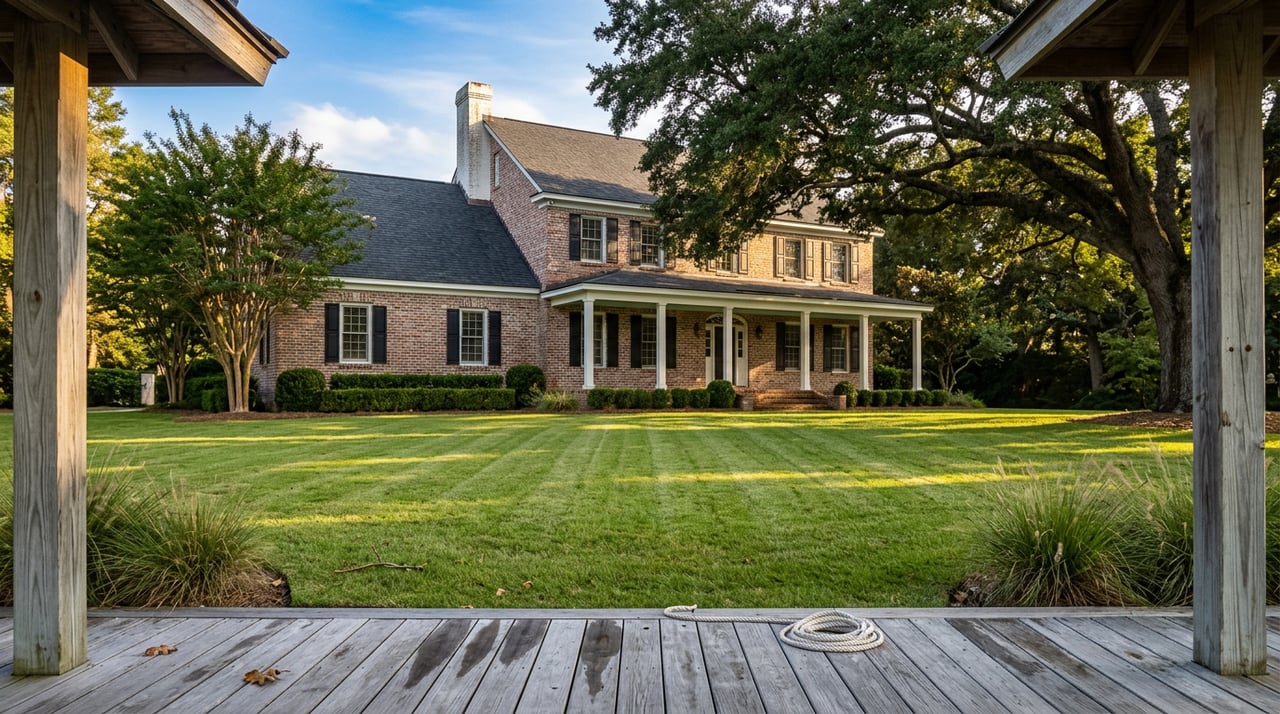
A house on Highway 22 in Madisonville sold for $2,985,000 in July, $690,000 under its original asking price of $3,675,000. On paper, that kind of gap looks like trouble: a seller who overreached, a buyer who dug in, a listing that limped along until someone finally caved. None of that happened. The home went from list to closed table in 24 days.
That single fact changes the whole story. A property doesn't get a $690,000 haircut and still move in under a month unless something else is going on. Understanding what that something else is matters if you own, or are thinking about selling, one of the handful of true riverfront estates that exist on the Tchefuncte.
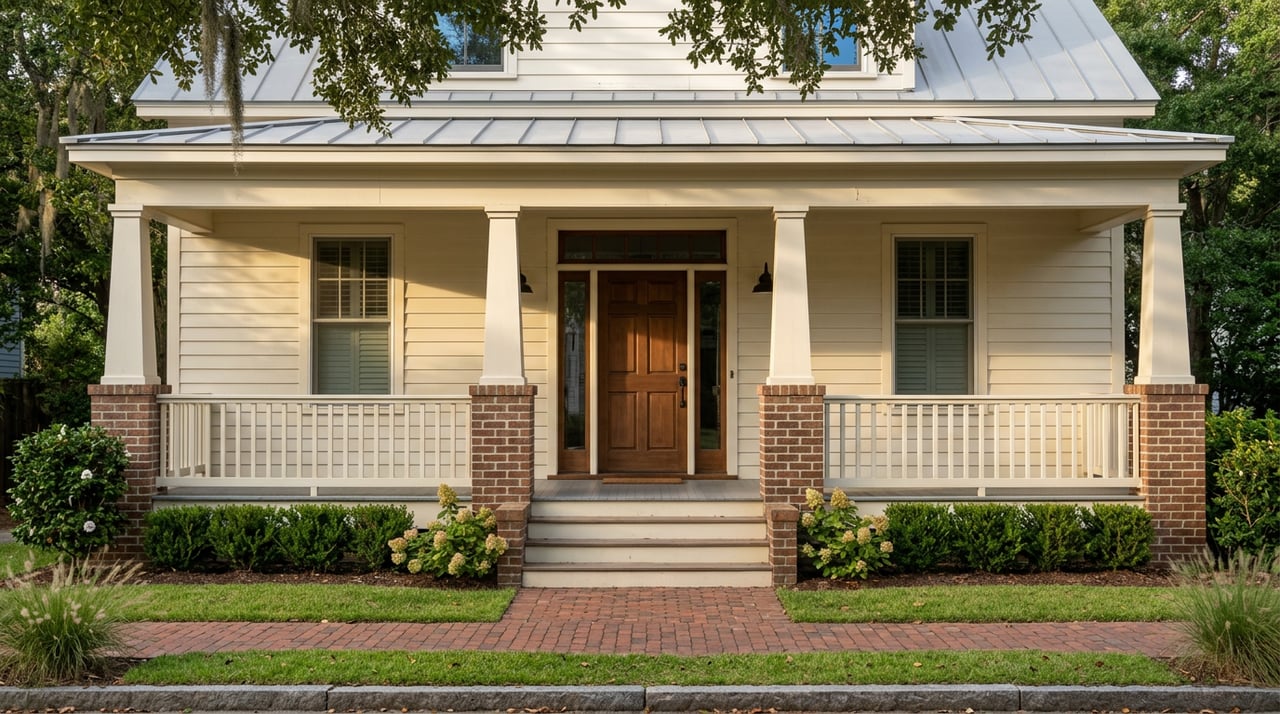
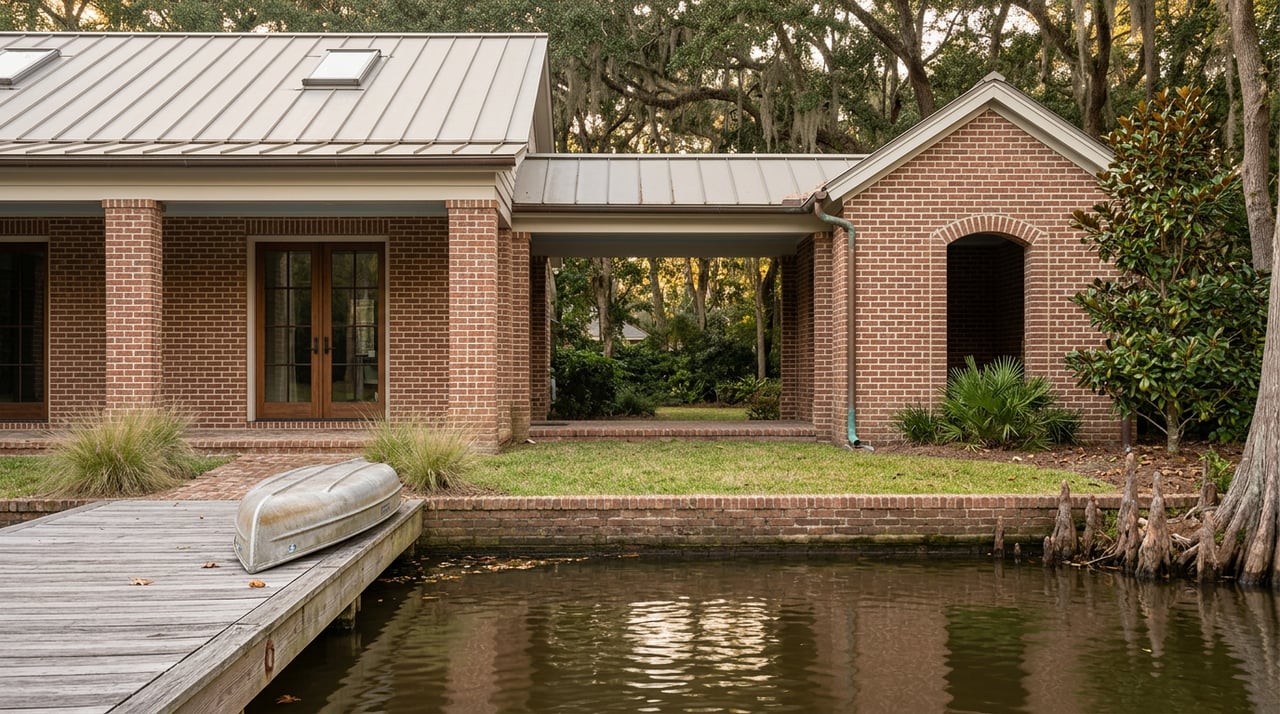
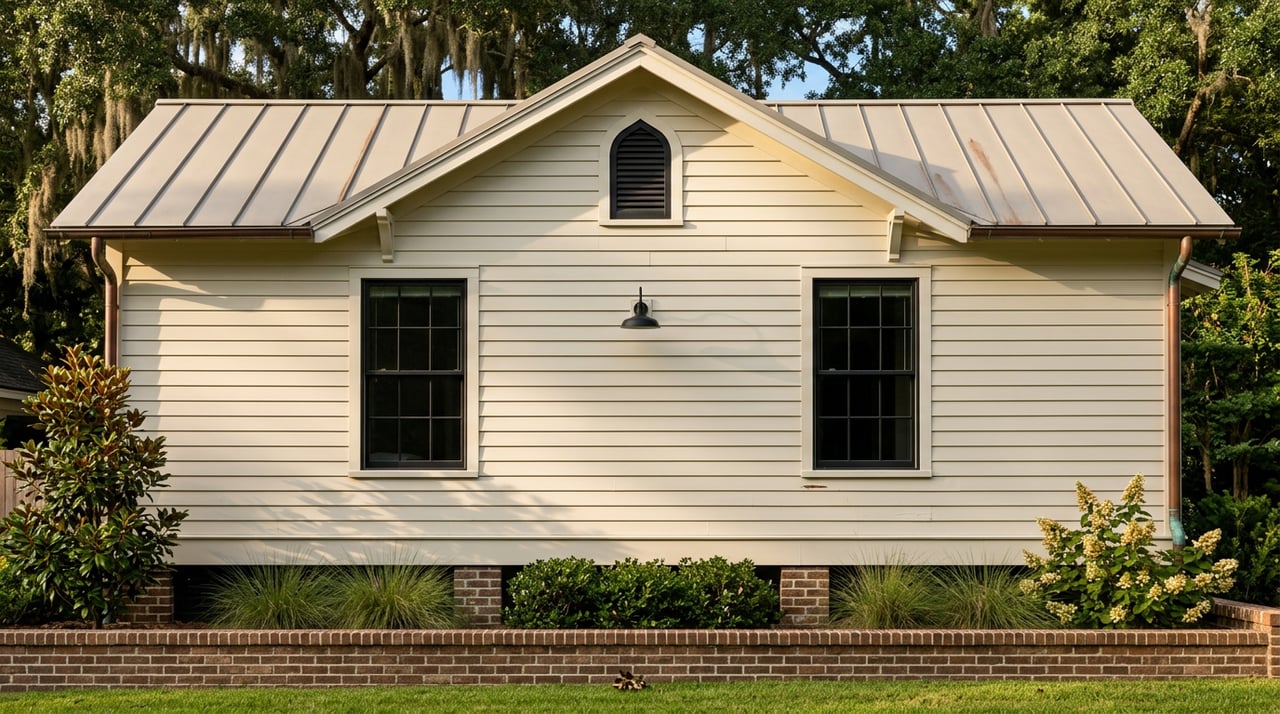
Felicity Kahn represented the seller on this one, so the details come from the deal itself rather than a portal summary. The property at 189 East Highway 22 included:
There is no other property like this currently active on the river. That is not marketing language, it is a description of the buyer pool. Most Tchefuncte listings are condos, townhomes, or single-family lots on canals. A 4.8-acre parcel with dual structures and 400 feet of navigable frontage is not a variation on that market, it is a different market with a much shorter list of qualified buyers.
Here is the part that trips people up. In most segments of residential real estate, a large price reduction signals weak demand. The seller asked too much, the market corrected, and the final number reflects what buyers were actually willing to pay after enough of them passed.
That model assumes a reasonably deep pool of comparable buyers testing the price over time. Ultra-high-end riverfront acreage doesn't work that way. When there are only a few properties in the entire parish that match a buyer's criteria, an opening price is closer to a starting position in a negotiation with one household than it is a market-clearing number tested by dozens of showings. The seller and their agent set an ambitious ask because the property is genuinely rare. The final number reflects what one serious buyer was willing to pay once real numbers were on the table, not what a broad market decided the home was worth after sitting unsold.
The tell isn't the size of the gap between list and sale price. It's the speed. A property that's genuinely mispriced for its market usually sits for months while agents recalibrate and buyers lose interest. A property that closes in 24 days, even after a substantial reduction, closed because there was already a motivated, qualified buyer paying attention from very early on.
As of August 2026, the average Madisonville home spends about 80 days on the market before it sells. Nothing close to 24. This closing moved more than three times faster than the ordinary Madisonville transaction, on a property asking roughly ten times the town's median price.
Divide the sale price by the reported footage and this estate closed at approximately $7,460 per linear foot of river frontage. That number only means something in context, so here's the context.
As of August 2026, there were 33 waterfront homes actively listed for sale in Madisonville, with a median asking price of $486,000. That figure includes condos with assigned slips, townhomes, and smaller single-family lots on canals, the ordinary waterfront market that most buyers and sellers here are actually transacting in. This one estate sold for roughly six times that median.
Separately, the town's overall median home sale price sat at $375,000 as of the same period, down 2 percent year over year. That figure describes the typical Madisonville home: inland, three or four bedrooms, no frontage at all. It has almost nothing to do with what happened on Highway 22.
This is the part sellers of comparable estates need to internalize. If you own acreage with real river frontage and dual structures, comparing your property to Madisonville's median, or even to the median waterfront condo, tells you almost nothing useful. You are pricing against a universe of maybe a handful of comparable properties on the entire river, not against 33 listings and definitely not against 927 closed sales of ordinary homes.
The lesson from this closing isn't that ambitious pricing always works. It's that ambitious pricing works when it's paired with the right buyer already being in view, and when the marketing and positioning are strong enough that the property doesn't need to sit and season before the right person sees it.
A property with 400 feet of navigable frontage, a separate boat house, and antique-filled interiors isn't competing on square footage or bedroom count. It's competing on scarcity. The sellers who do well in this exact niche, whether it's Tchefuncte acreage, a working boathouse compound, or a multi-structure estate, tend to price for the buyer who wants exactly that combination of features, not for the broader comparable set. When that buyer exists and is found quickly, a large nominal discount off an aspirational ask is not a sign anything went wrong. It's evidence the process worked the way it was supposed to.
For anyone managing an inherited or second-home riverfront property here, the same logic applies before you ever set a list price. Understanding whether your property is a true one-of-one on the river, or one of many similar canal-front homes, should shape your entire pricing strategy from the start.
Does a large price reduction always mean a property was overpriced? Not necessarily. In a market with very few comparable properties, a big gap between list and sale price combined with a fast close usually means the opening price was an invitation to negotiate with a specific buyer, not a signal the market rejected the home.
How should I think about pricing river frontage on the Tchefuncte? Per-foot pricing only makes sense when you compare against truly similar properties, meaning acreage with navigable frontage and comparable structures, not against condos with assigned slips or the town's overall median.
Is the Madisonville luxury segment slowing down? The data doesn't support that read. A 24-day close on a nearly $3 million transaction, against a town where ordinary homes take more than three times as long to sell, suggests demand for genuinely scarce riverfront property remains strong even while the broader market moves at its usual pace.
If you own acreage, a working boat house, or another property on the Tchefuncte that doesn't fit neatly into the town's typical comparables, the pricing strategy that works for a standard single-family home won't serve you well. Felicity Kahn & Associates has handled this exact kind of transaction on this exact stretch of river. Get your free home valuation and find out what your property's scarcity is actually worth in today's market.
Stay up to date on the latest real estate trends.


Collaborate with a team that values professionalism, growth, and a refined approach to real estate success.